2026 Guide to Towing Costs in Abbotsford: Save Money and Avoid Surprises

Imagine this: It’s a crisp winter morning, you’re heading to work on Whatcom Road, and your car refuses to start. You’re stressed, running late, and the first question that pops into your head is probably: “How much is this going to cost me?”

If that sounds familiar, you’re not alone. Many Abbotsford drivers face the same uncertainty when dealing with breakdowns, flat tires, or vehicles stuck in tricky winter spots. The good news? Understanding towing costs in Abbotsford before you actually need one can save a lot of stress, and money.

In this guide, I’ll break down what you can realistically expect in 2026, including typical rates, seasonal factors, ICBC-aligned pricing, and hidden fees that can catch drivers off guard.

Quick Overview: Typical Towing Costs in Abbotsford (2026)

Here’s a snapshot to help you plan ahead:

Service Type Estimated Base Rate Per KM Charge (After 10km)
Light-Duty (Sedans/SUVs) $95 – $135 $3.50 – $5.00
Heavy-Duty (RVs/Semi-Trucks) $250 – $500+ $7.00 – $10.00+
Roadside (Jumpstart/Lockout) $75 – $110 N/A

Notes:

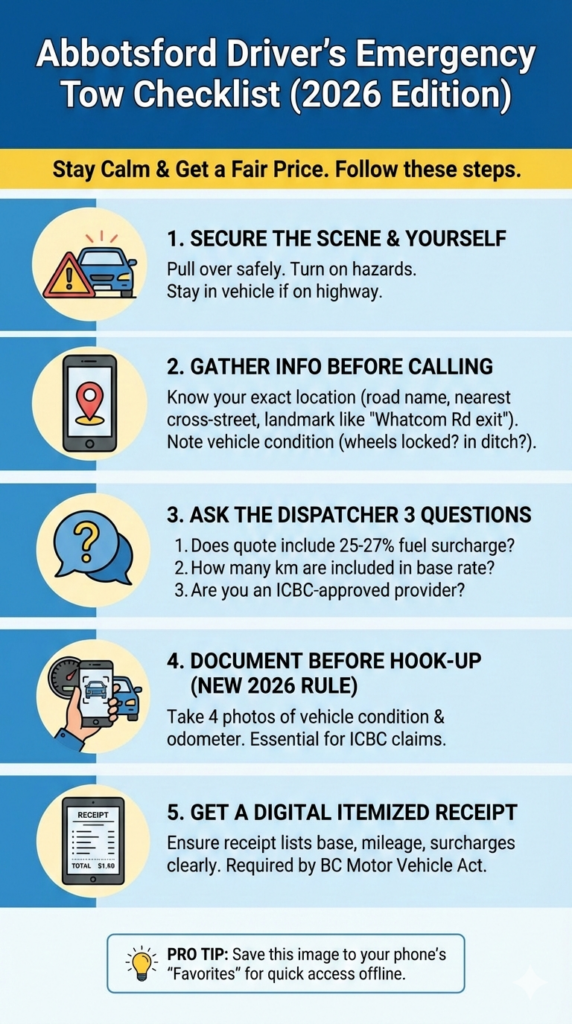
  • Fuel surcharges in 2026 are generally 25%–27%, reflecting BC’s current energy costs.
  • Many towing providers now follow the updated ICBC fee schedule, which keeps pricing consistent across the city.
  • Storage fees at Abbotsford impound yards typically range from $25–$45 per day.

This table is a starting point, but the actual cost can change based on distance, vehicle type, and location-specific challenges.

How Tow Truck Rates Are Calculated in Abbotsford

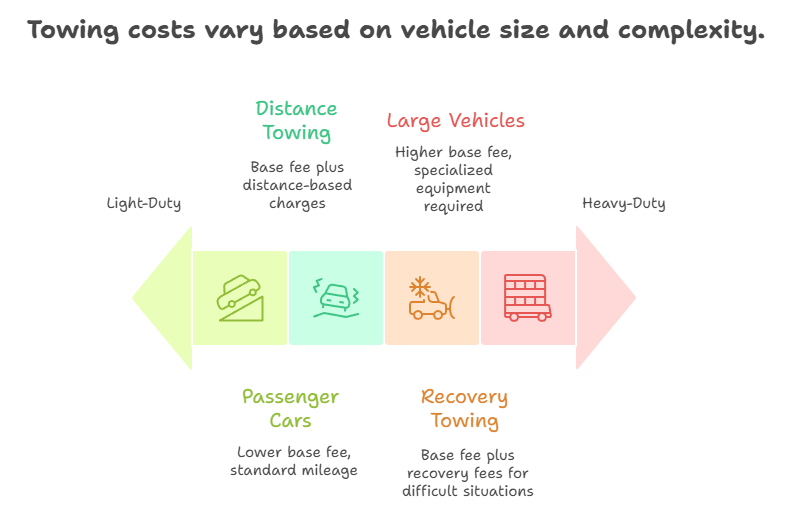
Towing isn’t just about hooking your car to a truck, several factors affect the final bill.

1. Base Service Call

Every tow starts with a base fee. This covers sending a trained operator and truck to your location. Even if you’re just a few blocks from downtown Abbotsford, this fee ensures you’re getting a professional, equipped crew.

2. Distance-Based Charges

Mileage beyond the first 5–10km is usually billed per kilometre. For example, a tow from Clearbrook to the Sumas Border Crossing will cost more than a downtown short-haul. It’s not just the distance, it’s the time and effort that go into moving your vehicle safely.

3. Seasonal & Local Factors

Abbotsford isn’t flat everywhere. Hills like Whatcom Road or areas in Sumas Prairie can make towing tricky, especially in winter. If your vehicle is stuck in snow or a ditch, expect Recovery Fees, usually $75–$150 per hour or per half-hour, depending on complexity. BC regulations often allow these fees to be charged in 30-minute increments.

4. Light-Duty vs Heavy-Duty Towing

Understanding your vehicle type helps set expectations.

a) Light-Duty Towing

  • Passenger cars, small SUVs, light pickups
  • Generally lower cost: $95–$135 base, plus mileage if over 10km
  • Most downtown or residential tows fall in this category

b) Heavy-Duty Towing

  • Large trucks, commercial vehicles, RVs, buses
  • Requires specialized trucks, additional crew, and safety measures
  • Base rates from $250–$500+, plus higher per-kilometre fees
  • Many providers follow the 2026 ICBC framework, ensuring consistency
After-Hours Towing and Hidden Fees

No one plans for a breakdown at 10 PM or on a holiday, but these situations happen. Here’s what to expect:

  • After-Hours: Usually after 6 PM weekdays, all day weekends. Surcharges are $30–$60, with holidays sometimes higher.
  • Mileage: Beyond the base distance, $3.50–$5 per km for light-duty, $7–$10+ for heavy-duty.
  • Recovery & Winching: Vehicles off-road or stuck in snow may require specialized extraction. Fees: $75–$150 per hour or half-hour, depending on difficulty.

Knowing these potential costs beforehand allows you to make informed decisions and avoid unpleasant surprises.

Real Scenarios Abbotsford Drivers Face

Here are examples that make the numbers relatable:

  1. Downtown sedan won’t start during business hours: Likely a light-duty tow at ~$95–$135.
  2. SUV stuck in rural Clearbrook: Might require recovery, extra mileage, or even winching, potentially $150–$300 total.
  3. Heavy-duty truck off the highway near Sumas Border Crossing during a snowstorm: After-hours surcharge plus recovery fees could push the cost beyond $500.

Seeing these scenarios helps illustrate why towing prices aren’t always straightforward.

Tips to Avoid Surprises

  • Ask for an estimate before authorizing a tow.
  • Know your insurance or roadside assistance coverage.
  • Keep emergency contacts and winter essentials handy.
  • Maintain your vehicle regularly to reduce breakdown risk.

In BC, tow companies must provide an itemized receipt, and most adhere to Motor Vehicle Act regulations for impoundments. This builds trust and protects you as a consumer.
Conclusion

Breakdowns are never convenient, but understanding towing costs in Abbotsford can reduce stress and help you make informed decisions. From base rates and mileage to fuel surcharges, after-hours fees, and recovery costs, knowing what to expect means fewer surprises and more confidence on the road.

So next time your car decides to take a break on Mt. Lehman or Whatcom Road, you’ll know exactly what to expect – and you won’t be left guessing.

Abbotsford Towing: Frequently Asked Questions

Q1. Can I negotiate towing prices?

A: Generally, no for emergencies (which follow ICBC-aligned rates), but yes for “planned tows.”

Tip: Ask for a “flat rate” if you are moving a car to a shop later in the week rather than immediately.

Q2. Does my car insurance cover the cost?

A: Yes, most ICBC Optional and private plans (BCAA, etc.) reimburse towing.

Requirement: You must keep an itemized digital receipt to claim your refund in 2026.

Q3. Can electric vehicles (EVs) be towed safely?

A: Yes, but they require a flatbed truck to prevent battery damage.

Action: Always tell the dispatcher “It’s an EV” so they don’t send a standard hook truck.

Q4. What happens if my car is impounded in Abbotsford?

A: It will go to a secure lot (usually in Clearbrook or Peardonville).

Cost: Expect $25–$45 per day plus a release fee. You’ll need ID and proof of ownership.

Q5. How long is the wait for a tow truck?

A: Usually 20–40 minutes in central Abbotsford.

Warning: Wait times can double during snowstorms or major accidents on Highway 1.

Q6. Can I choose which towing company shows up?

A: Yes. Even if the police are on-site, you can request your preferred local provider.

Check: Ensure they are an ICBC-approved provider for 2026 to guarantee fair pricing.


Towing in Abbotsford During the Holiday Season: What You Need to Know

The holiday season is an exciting time in the Fraser Valley – roads are busier than usual as families travel, shoppers move between malls, and friends catch up for festive gatherings. But winter weather in Abbotsford can make even a short drive unpredictable. Freezing rain, occasional snow, and fog can turn familiar roads into tricky situations in an instant.

This is where understanding towing in Abbotsford becomes essential. Knowing how local towing and roadside assistance operate during the holidays can save time, stress, and sometimes even your safety.

According to ICBC data, December is one of the most dangerous months for B.C. drivers, with nearly 35 crashes reported every hour across the province. This increased risk is felt directly on Fraser Valley roads, including busy local routes and rural stretches alike.

Why Towing Calls Increase in Abbotsford During the Holidays

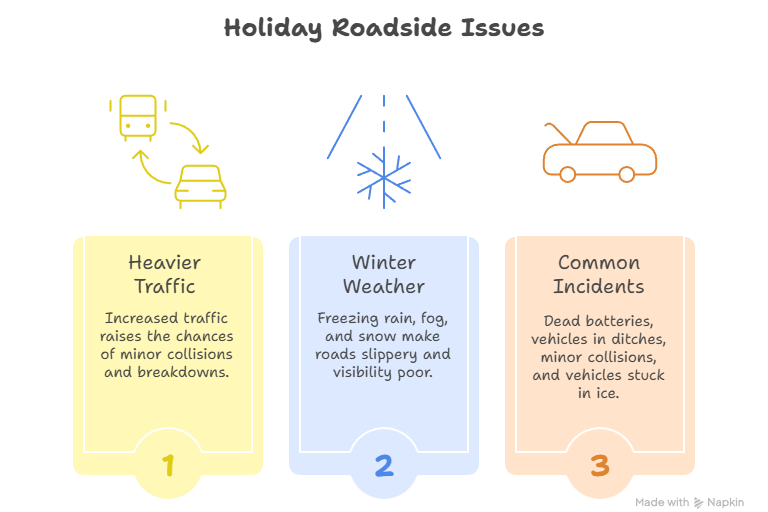
1. Heavier Traffic and Holiday Hustle

During the holiday season, roads are busier than usual. From last-minute shopping trips to family visits across the Fraser Valley – including Chilliwack, Langley, and Vancouver – the increased traffic naturally raises the chances of minor collisions, breakdowns, and other roadside issues.

In Abbotsford specifically, areas like the High Street Shopping Centre and the nearby Mt. Lehman Road/Highway 1 interchange see predictable congestion and minor fender-benders starting the second week of December. The increased traffic particularly affects major arteries like the Trans-Canada Highway (Highway 1), Sumas Way, and the Abbotsford-Mission Highway, where even small incidents can quickly create delays.

2. Winter Weather Challenges

Abbotsford experiences a mix of winter conditions, including freezing rain, fog, and occasional snow. These conditions can make roads slippery and visibility poor, especially at night. Sudden temperature drops can also catch drivers off guard, leading to vehicles sliding off rural roads or getting stuck in snow and ice.

3. Common Holiday Incidents

Some of the incidents that frequently lead to calls for tow truck services include:

  • Dead or drained batteries
  • Vehicles stuck in ditches
  • Minor collisions on busy roads
  • Vehicles immobilized by ice or snow

By knowing what to expect, you can reduce the stress if an incident occurs and be better prepared to contact roadside assistance in Abbotsford.

Common Winter Roadside Problems Drivers Face

Winter can bring specific challenges even if Abbotsford doesn’t receive heavy snowfall. Local drivers often experience:

1. Battery Failures

Cold temperatures drain car batteries faster. Many drivers require a battery boost, especially early in the morning or after leaving a vehicle parked overnight.

2. Vehicles Sliding or Getting Stuck

Even small patches of ice can cause cars to slide into ditches or off the road. Quick recovery often requires specialized equipment and experience.

3. Tire and Engine Issues

Low tire pressure, worn tires, or frozen locks are common winter annoyances. Drivers might notice reduced traction or difficulty starting their engines in cold conditions.

By understanding these common problems, you can anticipate potential issues before they turn into emergencies.

How Towing Services Operate Differently During the Holiday Season

During the holiday season, towing companies face unique challenges. Roads are busier, winter conditions make travel unpredictable, and emergencies can happen at any hour. Knowing how towing services operate differently during this time can help drivers feel prepared and confident.

1. 24/7 Availability for Peace of Mind

Holiday traffic often extends into late nights and early mornings, and winter conditions like icy patches or fog can make driving riskier. Local towing companies maintain round-the-clock service so help is always within reach. This ensures that if your vehicle fails on a slippery road or in a rural area, assistance is available quickly.

2. Winter-Ready Equipment

Winter driving requires more than a standard tow truck. Tow vehicles are often equipped with:

  • Winches to pull cars out of ditches or snowbanks
  • Flatbeds for safe transport of low-clearance or damaged vehicles
  • Traction tools and chains for slippery roads
  • Extra lighting for early morning or evening recoveries

Having properly equipped tow trucks ensures safe recovery when vehicles get stuck in snow, ice, or slush.

3. Faster Response Times with Local Knowledge

A towing company familiar with local roads can reach stranded drivers faster. They know busy streets, tricky intersections, and rural shortcuts that outsiders might miss. During winter, this local expertise is invaluable for safe and timely assistance.

What to Do If You Need a Tow During a Snowstorm or Winter Emergency

When winter strikes, safety is the most important priority. Here’s how to handle a roadside emergency:

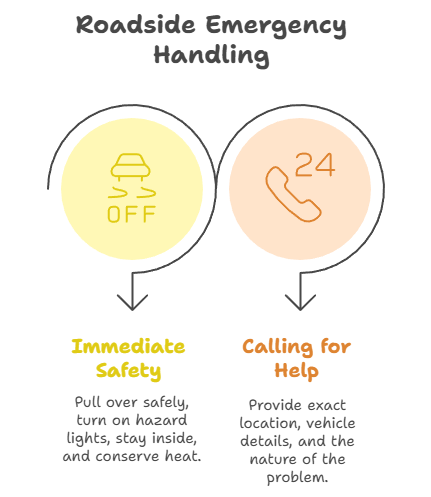
1. Immediate Steps for Safety

  • Pull over safely to the shoulder or a well-lit area.
  • Turn on hazard lights to alert other drivers.
  • Stay inside the vehicle unless conditions make it unsafe.
  • Conserve heat and fuel by running the engine intermittently.

2. Calling for Help

Provide your towing company with clear details:

  • Exact location: (mention nearby landmarks when possible: “just past the Abbotsford International Airport entrance on Mt Lehman Road” is more precise than “Mt Lehman Road”)
  • Vehicle type and condition
  • Nature of the problem (e.g., stuck in a ditch, dead battery)

Local roadside assistance can reach you faster, especially during busy holiday periods or snowstorms.

Winter Safety and Preparedness Tips

Being prepared for winter conditions can make driving safer and reduce stress if unexpected issues occur. Local towing companies see that drivers who plan ahead often have an easier experience on the road. Here’s how to be ready:

a) Winter Kit Essentials

Keeping a small winter kit in your car can make waiting for assistance safer and more comfortable:

  • Blankets and warm clothing
  • Gloves and hats
  • Phone charger or power bank
  • Sand, kitty litter, or traction mats for extra grip

b) Proactive Vehicle Checks

Simple steps before heading out can prevent common winter problems:

  • Check tire tread and maintain proper pressure. (Note: BC law requires tires to have at least 3.5 mm tread depth on designated routes.)
  • Inspect your battery, as cold weather can drain it faster
  • Keep your fuel tank at least half full
  • Replace worn wiper blades and use winter washer fluid
  • Plan routes in advance and monitor weather conditions

These preparations don’t replace the need for professional towing when emergencies happen, but they help drivers stay safe and make it easier for tow trucks to reach them quickly and efficiently.

Conclusion: Stay Safe and Prepared This Holiday Season

Towing in Abbotsford during the winter holidays can be a lifesaver when unexpected situations arise on icy roads or busy streets. By understanding how local towing services operate, preparing your vehicle for winter conditions, and having a trusted contact on hand, you can travel with greater confidence and peace of mind.

Whether it’s a quick battery boost, a vehicle recovery from a ditch, or a standard tow, knowing you have reliable help nearby makes all the difference. Staying informed and ready ensures your holiday travels are safe, smooth, and stress-free.

FAQs

Q1. Are winter tires mandatory in Abbotsford?
A: Not in the immediate Lower Mainland, but highly recommended for cold snaps. On most major highways outside Abbotsford (e.g., Hope, Merritt, mountain routes), winter tires are required from October 1 to April 30. Legal tires must have the Mountain/Snowflake symbol or M+S and at least 3.5 mm tread.

Q2. Does ICBC cover roadside assistance or towing?
A: Basic Autoplan does not cover general roadside assistance. Optional Roadside Plus reimburses up to $50 per qualifying non-accident emergency, like a battery boost or tow.

Q3. What is the difference between towing and recovery services?
A: Towing moves a disabled vehicle from an accessible location (like a road or parking lot). Recovery involves extracting vehicles from ditches, snow, or accident sites and requires specialized equipment, making it more complex and costly.

Q4. How is the cost of towing typically calculated?
A: Fees usually include a base hook-up charge plus a per-kilometer rate. Extra charges may apply for winching, after-hours/holiday service, or storage if the vehicle cannot be immediately dropped off.

Q5. What is a “Drop Charge” and can I avoid it?
A: A Drop Charge is applied if the tow truck is hooked up and you request the vehicle to be released before transport. In breakdowns or accidents, you should only pay the agreed-upon towing fee with your chosen provider.

Towing Insurance in Abbotsford: A Thoughtful Winter Present

A Holiday Gift That Truly Matters

The holiday season is here, and with it comes the familiar challenge of finding the perfect gift. While gadgets and festive treats are fun, some of the most meaningful gifts are those that offer safety, convenience, and peace of mind.

This year, consider something different – towing insurance in Abbotsford. For loved ones who spend a lot of time on the road, from daily commutes to winter trips through Mission or Hope, access to emergency towing and roadside assistance is one of the most thoughtful presents you can give.

Understanding Towing Insurance in Abbotsford

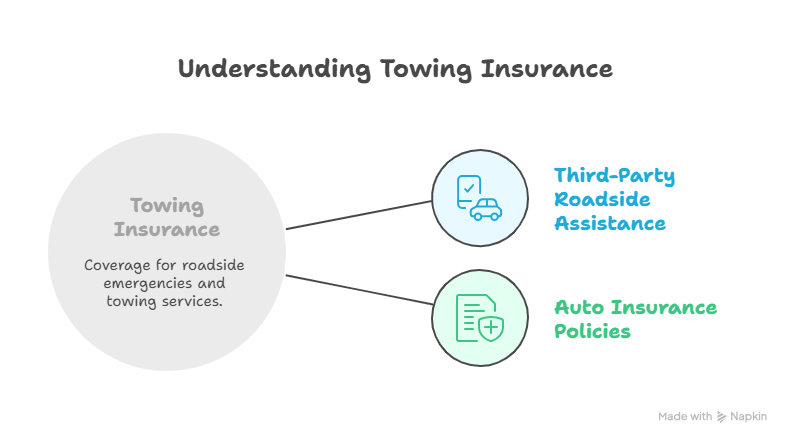
The term “towing insurance” can be confusing. It doesn’t mean the towing company provides the policy itself. Instead, coverage is typically obtained through:

  • A third-party roadside assistance membership (like CAA or BCAA)
  • Existing auto insurance policies that include roadside or towing coverage

This coverage ensures that in the event of a breakdown, flat tire, dead battery, or other roadside emergency, professional help is available. Understanding towing insurance in Abbotsford helps drivers make informed decisions and ensures peace of mind, whether commuting locally or taking longer drives across the Fraser Valley.

Why Winter Driving in BC Demands Towing Coverage

Driving during the winter months can be stressful. Even short trips across Abbotsford’s busy streets or longer drives through Mission’s icy highways can turn risky in a blink. Holiday traffic adds another layer of unpredictability.

Towing insurance isn’t just for accidents, it’s a safety net for the unexpected: flat tires, dead batteries, or getting stuck in the snow. For those traveling to Hope or taking long drives across the Fraser Valley, access to emergency towing and roadside assistance ensures help is never far away.

What Towing Insurance Covers

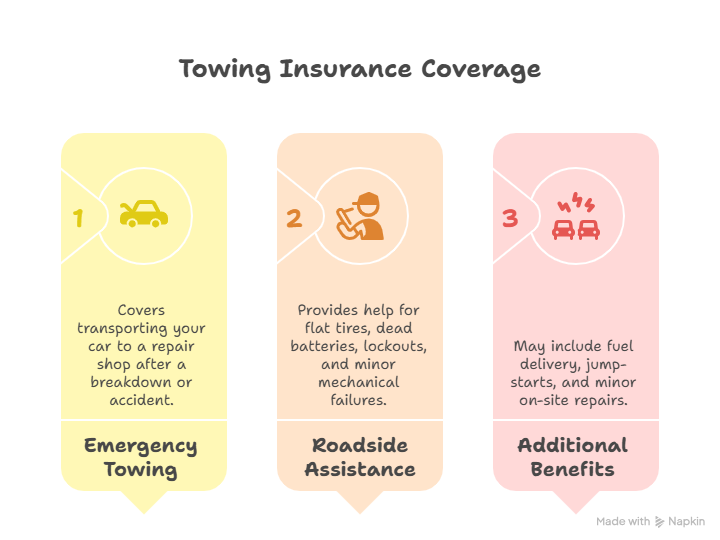
1. Emergency Towing When You Need It Most

If your vehicle breaks down or you’re involved in a winter incident, towing insurance covers the cost of safely transporting your car to a repair shop. This coverage is essential for drivers navigating icy roads in Abbotsford, winding routes in Mission, or rural stretches near Hope.

2. Roadside Assistance for Everyday Emergencies

Winter driving isn’t just about accidents, it’s about everyday challenges that can leave you stranded:

  • Flat tires in the middle of a cold night
  • Dead batteries when starting your car in freezing temperatures
  • Lockouts or minor mechanical failures

Reliable roadside assistance ensures that whether you’re in a city centre or a more remote area, help is only a call away.

3. Additional Benefits That Keep You Moving

Some policies include extras like fuel delivery, jump-starts, and minor on-site repairs. For winter drivers, these services mean fewer delays and safer trips across Abbotsford and beyond.

How Towing Insurance Works

Step-by-Step Protection

  1. Call for help: Reach out to your roadside assistance or towing service provider immediately after an incident.
  2. Provide details: Share your location and the situation with your vehicle.
  3. Safe transport: A tow truck arrives to move your car to a repair shop or safe location.

Towing insurance covers urban areas like Abbotsford and Mission, as well as rural stretches near Hope, giving drivers peace of mind year-round, not only during winter or holiday travel.

Seasonal Note: During winter or busy holiday travel, having this coverage ensures that icy roads, snow, or high traffic don’t leave you stranded without assistance.

Who Benefits Most from Towing Insurance

1. Daily Commuters

Winter mornings can be stressful for those commuting daily in Abbotsford. Emergency towing and roadside assistance offer reassurance during unexpected breakdowns.

2. Teenagers and New Drivers

For teens or new drivers navigating icy roads, towing insurance provides confidence, knowing help is available if something goes wrong.

3. Seniors and Experienced Drivers

Even seasoned drivers can face winter surprises. Coverage gives seniors and long-time drivers alike the support they need, whether traveling across Mission’s highways or making local trips in Abbotsford.

Why Towing Insurance Makes a Thoughtful Winter Gift

Unlike most holiday gifts, towing insurance in Abbotsford is practical, long-lasting, and deeply meaningful. Whether it’s a spouse commuting daily to work, a parent running errands, or a teen learning to navigate winter roads, this coverage offers reassurance.

Your gift quietly says: “I care about your safety, wherever the road takes you.” With emergency towing and roadside assistance, loved ones won’t have to worry about being stranded by a flat tire, battery failure, or a winter incident, they’ll know professional help is only a phone call away.

Tips for Using Towing Insurance in Abbotsford

a) Know What’s Covered

Before gifting or using towing insurance, check the plan details: what incidents are included, coverage limits, and whether services like lockouts or flat tires are covered.

b) Accessing Emergency Services

Most providers offer multiple ways to request help — via phone, mobile app, or roadside assistance alerts. Make sure loved ones know how to access services quickly.

Conclusion

Winter in Canada is beautiful, but it’s unpredictable. Having towing insurance in Abbotsford ensures drivers have support when it matters most. From emergency towing to roadside assistance, every trip becomes safer and less stressful.

Whether gifting coverage to a loved one or securing it for yourself, this winter, make peace of mind the most meaningful gift.

Need towing this winter? Contact MSA 24/7 Towing at 604-870-8697 for professional and reliable towing and keep your family and vehicles safe wherever the road takes you. Visit our site for more information.

FAQs

Q1. How does towing insurance differ from standard car insurance?
A:
Standard insurance may cover damages but often excludes roadside assistance. Towing insurance covers emergency towing, winter incident support, and minor roadside help.

Q2. Can I get coverage for long drives across BC?
A:
Yes. Most plans cover urban and rural areas.

Q3. Does towing insurance operate during snowstorms?
A:
Absolutely. Emergency towing and roadside assistance are available year-round, including during severe winter weather.

Q4. Is multiple-vehicle coverage available?
A:
Many providers allow multiple vehicles under one plan, ideal for families or businesses with multiple drivers.

What is the main reason to need for Road Side Assistance for the Big Rig Trucks

There are different sizes of vehicles running on the road from small to bigger ones. The big rig trucks are comparatively more susceptible to frequent breakdowns. 

One reason is that these vehicles travel long distances continuously for a prolonged period. 

Therefore, we need to call for roadside assistance for big rig trucks. 

The reason why a truck owner may need to call for roadside assistance may differ from vehicle to vehicle. Moreover, this depends upon the type of problem affecting the truck. 

The other factors to call for roadside assistance include an old & aged rig to the ongoing driving conditions. 

Do you know those possible problems to be solved

 I’ve listed some of the parts of your vehicle that may require you to call for roadside assistance during your journey.

  1. TIRES Tire – Around half of all the breakdowns of a Big truck include the breaking down of the tires.  

Can you guess what might be the reason behind this? 

  • The breakdown of the big rigs is due to the under or over-inflation of the tires. Moreover, the worn treads and misaligned axis most affect the tires.
  •  The Big rig trucks have comparatively more massive weight than the cars. The trucks keep operating for longer hours than the cars. Hence, It makes need replacement or tends to flatten more often. 

So, you have to look for a tire for roadside assistance on the way to your destination. 

2. BRAKES

The damaged brakes are one of the most common damages that affect most trucks.

  •  Nearly 30% of the big-rig breakdowns consist of the damaged breaks. 

It is the reason that needs roadside assistance for Big rig Trucks. 

  • The discs and the drum-brakes of trucks are under immense pressure and exposed to very high friction. Thereby, we have to be replaced more frequently than any other parts of the brake-system of big trucks. 

Would you ever want any such incident to happen with your truck? 

  • You must always do the regular maintenance and servicing of your truck. It gets corrosion, rusting, water contamination, air leakages, etc. 

So we need a roadside assistance company that comes to be helpful. 

3. REFRIGERATION PROBLEMS

with the advancement in technology, some specially designed big-rig trucks transport temperature-controlled goods like some special foods, medicines, etc. 

  •  Special refrigerated trailers are suitable temperatures that can prevent the goods from getting spoiled. 
  • A simple issue of the refrigeration system that can lead to the damage of goods worth millions.

That is why the refrigeration system should be check and repaired soon. 

4. PROBLEMS IN THE COOLING SYSTEM

There are lots of connections in the cooling system of a big rig truck. These are highly susceptible to getting broken & disconnected during transit. And, This affects the coolant decreasing its capacity to cool. 

The thermostat faces issues but can be fixed with relative ease. Still, the need to wait for roadside assistance is an inconvenience for the Big truck drivers. 

5. ELECTRICS 

The big rig trucks have a lot more electrics. 

  • It includes everything from the cranking and charging systems to the standard electrics.
  • If there is any disturbance in the original electrical the whole electric system of the big truck will be breaking down. 
  • You must do regular maintenance of the electrical system of your big rig truck. 

Whatever issue a Big Rig Truck faces on the way. Roadside assistance can help it overcome preventing the truck from failing to get started or the battery from getting dead. 

Now, if you come to know that you can get an expert to help you solve your Big rig truck. It comes upon you on the way to your MSA 24/7 TOWING LTD. has been serving roadside assistance for many years. With these many years of experience, this company has become one of the most popular companies providing roadside assistance services. 

10 SAFETY TIPS FOR DRIVING IN THE RAIN

Diving into the flashback of the early days of our childhood, we recall the days when we all loved playing in the rain but now we have to do driving in rain too. Jumping into the deep puddles and ditches had been our regular habit during the monsoons. 

Moving forward a few decades, today, I’m driving in rain a car through the similar ditches that are on the way to my workplace. The habit that I had developed in those days exists no more within me. 

Today, I keep thinking of how I can get out of the rain during the monsoon days. 

I hope you know while driving in rain through the zigzag ditches on the roads is one of the most daunting tasks during the monsoons. 

You have risks and dangers while driving on the wet & slick roads during the monsoons.  

You might be thinking of avoiding driving until the rain stops; right? 

But what if there is an emergency to take someone to the hospital driving on your own? 

Well, keep going through this blog to its end. Here, I’ve listed down some of the best safety tips for driving in the rain. I’m sure these tips will help you enjoy a safe drive during the monsoons. 

1. Always Prefer Waiting Over Driving Rain can be risky for every driver, professional or a novice.

 If you ever witnessed a vehicle skid on the road during the monsoons, I’ am sure you never imagine yourself driving in the monsoons. 

Let me tell you the fact that you lose control of the vehicles during the rainfalls.

 If you don’t have an emergency to drive during heavy rainfall. Then it’s better to wait for the rain to stop. Because getting 15 minutes late is much better than ending up in the hospital bed. 

2. Check Well If Your Car Is Working Properly Before You Head-On 

It’s very much important for you to double-check everything in your car before you head-on during monsoon.  

The next thing is to know about your car headlights. Make sure both of them have no leakage in the plastic and also are free from electrical issues. 

Finally, check all the equipment that you might need during your drive. At the same time, look at the treads of your tires to take on the slick and slippery roads of the monsoon falls. 

Also, make sure to check the windshield wipers, tail-lights, fog-lights, turn signals/indicators, AC, and more importantly, the horns. 

Once, you assure all of these to be in good working condition, you’re ready to enjoy the time-out in the monsoon falls. 

3. Make Sure You Drive Slower Than You Usually Do 

During the heavy showers, most of the cities reduce the speed limit. This helps the driver safe for avoiding any unwanted accidents and incidents. 

it’s very much important for your car to be able to adjust to the lower traction. It takes a bit longer for your car to react to breaking and/or turning during wet conditions. 

Also, the experts advise that the speed should be as much lower as possible when the roads are generally wet and slippery. 

4. Keep the Headlights On  

If you’ve ever traveled in any four-wheels it’s almost impossible to see the things that are just a few meters ahead of your car. 

Can you guess why it happens so? 

Well, it’s all because of the mist and fog that accompany the heavy showers. So it is harder for the drivers to see anything ahead of their cars. so Keep on the headlight on for more clarity to see.

 Let me tell you that keeping the headlights doesn’t only give you better visibility to the drivers. It also informs the vehicles and the pedestrians around your presence. 

After all, most of the accidents while driving in rain are due to the lack of proper visibility, negligence of not using the headlights, and fog lights properly. 

5. Turn On the Windshield Wipers for an Improved Visibility 

In the above paragraph, I just discussed how important the visibility of the outside of the car when driving in the rain.

 Can you just guess what do these words mean? 

Well, most people simply understand using the windshield wipers of the car effectively during heavy showers. But actually, that’s a bit wrong.

Let me tell you that when the rain continues to flow onto the windshield of the car, it distorts the driver’s view. The windshield wipers of the car help removing the excess moisture from the glass for perfect visibility. 

Let me tell you that most modern cars are equipped with multiple speed options for different rain conditions that range from a drizzle to a heavy shower. 

Do you live in a region that experiences a lot of hail or ice more often? 

If yes, I’m sure you’re always experiencing visibility problems while driving; right? 

Well, in such conditions, I better recommend you using a cleaning product in the wiper-fluid. 

It’s just because doing so will help keep the windshield free from the frost. 

6. Maintain Distance 

During the rains, it takes time for your car to react, slow down and then stop. Moreover, the wet roads cause the tires of your car to skid or slip before stopping. This is the reason why you have to take care of the distance between yours and the other vehicles around you. 

Do you have any idea about what would be the best idea to make sure you have enough time to stop? 

Well, Simply make sure that you maintain at least a 2-car space between you and the vehicle in front of you to avoid colliding. 

7. Go Easy On the Brakes

When driving on wet roads, it’s really hard to overcome this difficult especially when you drive faster on wet roads. So, the brakes should be normally pressed.

Let me tell you that it’s quite dangerous to drive a car on a wet road. This is because it takes time for the car to react on wet roads. 

 If you want to slow and stop your car release your foot off the accelerator and then push down the brakes gently. 

In case if you jam down your foot on the brake pedal, you’ll more likely get the car skid and thereby lose control over the car in an instant. 

8. Avoid Puddles 

One of the most common causes of most of the accidents on the roads is hydroplaning. 

Got confused about what hydroplaning is? 

Hydroplaning means when a car skids because of a film of water that is caught between the tires and the road preventing it from decreasing its speed or coming to a halt. 

When driving in such conditions, it’s best to slow down before you drive through the puddles.

9. Go Easy On the Brakes

What would you do if your car is hydroplaning during a rain shower? 

You would get worried and panic; right? 

It’s because you get nervous, and more chances that you’re gonna lose control of the car. 

The next that you need to do in such a situation is take your foot off the accelerator pedal

You might be wondering why you need to do so; right? 

Well, doing so would help you slow the car down. 

Then, simply steer your car in the direction that you’d want to go. This will help the wheels to break out of hydroplaning. 

Here, one thing to remember in such a situation is that you shouldn’t ever slam the brakes or make any sharp and sudden turns. It will cause the car to skid even more. 

10. Turn-On the Air-Conditioner of the Car

Most of the city experiences humidity and rain. And this humidity also brings fog with it. 

I hope you know the fact that fog time is hard to drive a car.

 Let me tell you the causes of cars fog-up. And, its temperature inside the car and outside of the car. 

Do you have any idea to prevent your car from fogging up? 

Well, that’s very simple. 

It is simply turn on the AC and then set the temperature to the level that matches the temperature outside the car. 

 If this does not work, pull the cover of your car to the side of the road and then ventilate it by opening a window or two. 

For your information, let me tell you to keep a towel or a cloth to wipe the windshield whenever it gets fogged up but that’s not a permanent solution. 

Now you have explored all the safety tips for driving in the rain, I’m sure you’d love to share this information with your friends and relatives. If you ever face any problems described in this blog, feel free to visit MSA 24/7 TOWING LTD. Very soon, their staff will be available to help you out.